Malawi Confederation of Chambers of Commerce and Industry (MCCCI) and other industry players have cautioned that the benefits of reduced lending rates will take time to trickle down, citing forex shortages as a major constraint.
But Bankers Association of Malawi (BAM) remains positive, saying the interest rate cut provides space for credit growth while advising investors to expect gradual and not dramatic movements.
MCCCI and industry players were commenting on the easing of commercial banks’ reference rate or lending rates, which have been cut five times this year from 25.3 percent in January to 20.6 percent this month.
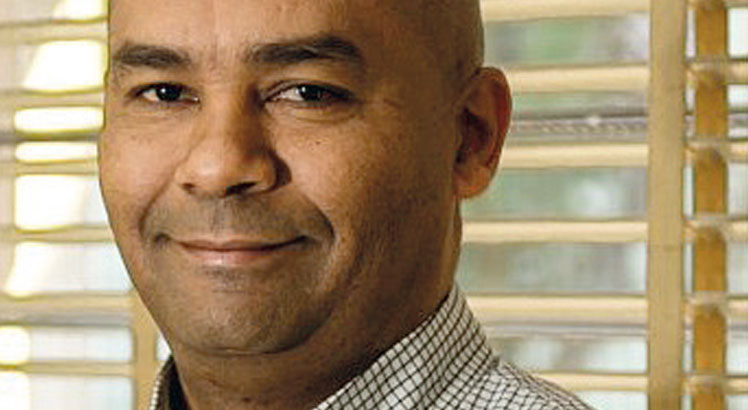
Speaking in an interview on Friday, MCCCI president Ronald Ngwira said currently, industry players are hopeful, but foreign exchange challenges are derailing the progress.
“The general sentiment in the industry is that they are happy with the easing of the interest rates. It will assist in reducing the pressures coming from inflation and reduced sales due lack of money in the systems,” he said.
Ngwira, who is also Illovo Sugar (Malawi) plc managing director, said the ease in the lending rates will help firms to finance business growth.
In a separate interview, Manufacturers Association of Malawi chairperson Gloria Zimba said businesses are still struggling to access forex to import raw materials despite having enough money in local currency.
She said the situation is affecting most manufacturers because they are failing to import raw materials for production.
Zimba, who is Castel Malawi human resource and corporate affairs director, said: “We are facing a situation whereby although we have cash at the bank, we are delaying payments of our import bills because of forex challenges.”
But BAM president Phillip Madinga, while cautioning customers and investors that the benefits of interest rate cut will be gradual, said lowering the cost of money triggers huge impact on credit growth and capital access.
“A stable-to-lower rate environment supports credit growth and private sector recovery. If foreign exchange inflows improve and were to remain steady after potential improvement, and if fiscal consolidation continues, we could see further measured easing,” he said.
Madinga, who is Standard Bank chief executive, advised customers and investors to expect gradual and not dramatic movements.
In its second Monetary Policy Report for this year, RBM indicated that year-on-year growth rate of private sector credit accelerated in first quarter of 2026 to 37.2 percent compared to 17.8 percent in corresponding quarter in 2025.
Commercial banks have been reducing reference rates for five consecutive months since January this year largely due to the drop in policy rate, the rate at which commercial banks borrow from the central bank, from 26 percent to 24 percent and the reduction in Treasury bills yields attributed to government’s easing of domestic borrowing.